

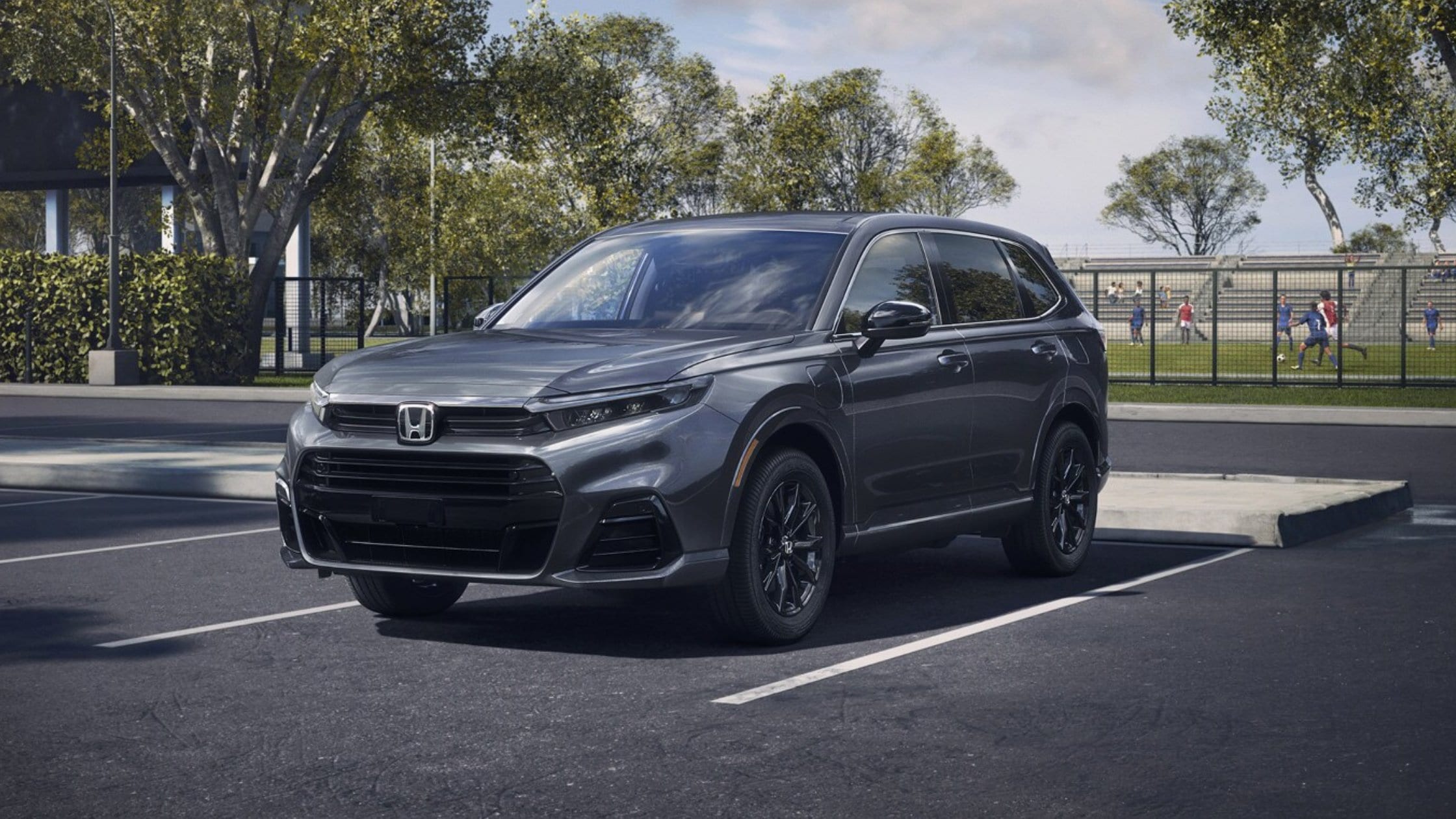
Daily hydrogen driving is still a new idea for many shoppers who have spent years comparing gasoline, hybrid, and battery electric vehicles. The 2026 Honda CR-V e:FCEV introduces another approach by pairing hydrogen fuel cell technology with a lithium-ion battery, EV driving capability, and the familiar practicality of a compact crossover. For Coral Springs, FL, drivers, the most useful questions often focus less on technical theory and more on everyday ownership. Commuters want to understand range, hydrogen refueling, cabin comfort, cargo flexibility, road manners, and the role of driver-assist technology in a normal week. The 2026 Honda CR-V e:FCEV offers a 29-mile EV range and a 270-mile driving range, giving shoppers clear figures to compare with their regular travel patterns. Its front-wheel drive layout, selectable drive modes, spacious passenger compartment, and connected cabin features also bring familiar crossover qualities into the hydrogen vehicle conversation.
Daily hydrogen ownership and practical driving routines
The first stage of researching the 2026 Honda CR-V e:FCEV involves understanding how hydrogen technology connects with ordinary driving habits. Most buyers do not need a detailed engineering lesson to picture the vehicle in their daily lives. Instead, they need to consider commuting distance, local travel patterns, EV range, and access to compatible hydrogen fueling. These practical factors create a clearer picture of how the crossover may work from Monday morning through a busy weekend.
How does the 2026 Honda CR-V e:FCEV work for daily driving?
The 2026 Honda CR-V e:FCEV uses a hydrogen fuel cell module, a lithium-ion battery, and an electric motor to support its electrified driving system. Its AC synchronous permanent-magnet electric motor produces 174 horsepower and 229 lb.-ft. of torque, while a fixed, single-speed, direct-drive transmission sends power to the front wheels. From the driver's seat, the daily experience centers on familiar accelerator, braking, steering, and drive mode inputs rather than constant attention to the fuel cell process. Snow, Econ, Normal, and Sport modes allow drivers to choose settings that suit changing road conditions or personal preferences. EV Mode adds another layer of flexibility for shorter driving situations where the vehicle's battery capability may fit the planned route.
Can the 2026 Honda CR-V e:FCEV handle a regular commute?
The answer depends largely on the driver's normal mileage and the locations of compatible hydrogen fueling stations, which makes personal route planning an important part of the research process. The 2026 Honda CR-V e:FCEV provides a stated 29-mile EV range and a total driving range of 270 miles. A shopper can compare those figures with the distance between home, work, school, regular stores, and other frequently visited destinations. Drivers with shorter routines may find the available EV range especially relevant when considering local travel patterns. Those with longer commutes should look at the total driving range alongside hydrogen availability and the routes they use most often.
What should Coral Springs drivers know about hydrogen refueling?
The 2026 Honda CR-V e:FCEV requires compressed hydrogen gas and uses a hydrogen fuel tank with a 4.3-kiLogR®am capacity and a listed pressure of 10,000 psi. Because hydrogen fueling infrastructure differs from conventional gasoline availability, station access should be reviewed early in the shopping process. Drivers can begin by identifying compatible stations and comparing their locations with established travel routes. A station that fits naturally near work or another frequent destination may affect the convenience of a regular refueling routine. Treating hydrogen access as part of everyday trip planning helps shoppers assess the 2026 Honda CR-V e:FCEV according to actual ownership habits.
Passenger comfort, cargo space, and connected convenience
Once the energy and range questions are understood, the focus naturally shifts to life inside the vehicle. A hydrogen crossover still needs to carry passengers comfortably, accommodate changing cargo needs, and support the devices people use throughout the day. The 2026 Honda CR-V e:FCEV combines detailed interior dimensions with seating, climate, and connectivity equipment intended for everyday use. Looking at cabin practicality helps shoppers see the vehicle as a daily-use crossover rather than viewing it only through the lens of its fuel cell technology.
Is the 2026 Honda CR-V e:FCEV comfortable for passengers?
The 2026 Honda CR-V e:FCEV offers 106.4 cubic feet of EPA passenger volume, providing useful context for shoppers evaluating the overall size of the cabin. First-row headroom measures 40.0 inches and second-row headroom measures 38.2 inches, while legroom reaches 41.4 inches in the first row and 41.1 inches in the second row. Those measurements can help drivers consider how adult passengers, family members, or frequent guests may fit during normal travel. Heated front seats, a 10-way power-adjustable driver's seat with power lumbar support, and two-position driver's seat memory add convenience for the person spending the most time behind the wheel. The front passenger receives a four-way power-adjustable seat, while dual-zone climate control with a humidity sensor helps manage individual temperature preferences. Remote climate pre-conditioning can also support cabin preparation before a drive, which may be particularly useful during warm South Florida days.
How much cargo flexibility does the 2026 Honda CR-V e:FCEV provide?
Cargo space remains an important crossover consideration because daily plans can change quickly from carrying passengers to moving larger items. The 2026 Honda CR-V e:FCEV provides 25.2 cubic feet of cargo volume behind the second row. With the rear seating area configured for greater cargo use, the vehicle offers up to 61 cubic feet of cargo volume behind the first row. A 60/40 split fold-down rear seatback allows one portion of the rear seating area to remain available while another section is used for longer or bulkier items. A hands-free access power tailgate adds another practical feature for drivers approaching the vehicle while carrying bags or other items.
Which technology features support everyday driving?
The 2026 Honda CR-V e:FCEV includes a 10.2-inch digital instrument cluster and a 9-inch color touchscreen display, creating separate areas for vehicle information and infotainment functions. Wireless Apple CarPlay® compatibility and wireless Android Auto™ compatibility can connect compatible smartphones without requiring a wired data connection. A wireless charging pad, one front USB-C charging port, and two rear USB-C charging ports provide several options for keeping personal devices powered. The cabin also includes a Bose® premium sound system with 12 speakers, Bluetooth® streaming audio, SiriusXM®, HD Radio™, and Wi-Fi hotspot capability. Honda Satellite-Linked Navigation System™ with voice recognition and Honda HD Digital Traffic can support route planning during regular travel. Active Noise Cancellation™ and acoustic laminate windshield and front side glass further contribute to a cabin designed around daily comfort and connected convenience.
Driving experience, driver assistance, and maintenance expectations
After considering routine usability and interior practicality, many buyers begin asking how the 2026 Honda CR-V e:FCEV feels on the road and what ownership may involve over time. Electric motor output, suspension design, steering, braking systems, and selectable drive modes all shape the driving experience. Driver-assist technology adds another layer of support during commuting, parking, and traffic. Maintenance questions also deserve attention because fuel cell technology may be unfamiliar to shoppers coming from gasoline vehicles.
What is the 2026 Honda CR-V e:FCEV like to drive?
The electric motor in the 2026 Honda CR-V e:FCEV produces 174 horsepower and 229 lb.-ft. of torque, with power delivered through front-wheel drive. Its fixed, single-speed, direct-drive transmission reduces the need for conventional transmission gear changes during acceleration. Drivers can select Snow, Econ, Normal, or Sport modes to match different conditions and preferences. The chassis uses a MacPherson® strut front suspension, a multi-link rear suspension, amplitude reactive dampers, and Agile Handling Assist. Electric power steering and a 37.1-foot curb-to-curb turning diameter also contribute to the vehicle's everyday road and maneuvering characteristics.
Which driver-assist features are included in the 2026 Honda CR-V e:FCEV?
The 2026 Honda CR-V e:FCEV includes a broad collection of Honda Sensing® and driver-assist technologies intended to support attentive driving. Collision Mitigation Braking System™, Forward Collision Warning, Road Departure Mitigation System, and Lane Departure Warning address several common driving situations. Adaptive Cruise Control with Low-Speed Follow and Lane Keeping Assist System can provide additional support during appropriate road conditions. Traffic Sign Recognition, Blind Spot Information System, Cross Traffic Monitor, Traffic Jam Assist, and Low Speed Braking Control expand the range of available assistance features. Four front and four rear parking sensors can help drivers judge close-range surroundings, while the rearview camera provides dynamic guidelines during reversing.
Does fuel cell technology change routine maintenance expectations?
The 2026 Honda CR-V e:FCEV uses a proton exchange membrane fuel cell, a lithium-ion battery with a 17.7-kWh capacity, and an AC synchronous permanent-magnet electric motor. Its specification information lists a tune-up interval of approximately 100,000 miles and also states that there are no scheduled tune-ups. For shoppers familiar with conventional gasoline engines, that terminology may prompt questions about vehicle-specific service needs and routine inspections. The best approach is to avoid applying assumptions from a traditional powertrain to a fuel cell vehicle without reviewing its documented maintenance requirements.
Long-term ownership fit and buyer consideration
By the final stage of research, the important question becomes how well the entire vehicle aligns with a driver's habits and priorities. Range, hydrogen access, passenger room, cargo space, technology, and driving preferences all influence the answer. The 2026 Honda CR-V e:FCEV combines fuel cell operation with battery capability and familiar crossover features, creating a distinct ownership approach. Evaluating that combination requires a personal look at weekly mileage and local infrastructure rather than a broad assumption about electrified vehicles.
How does the 2026 Honda CR-V e:FCEV differ from a battery electric vehicle?
The 2026 Honda CR-V e:FCEV combines hydrogen fuel cell technology with a lithium-ion battery and EV driving capability. Its 29-mile EV range can support certain shorter driving situations, while the vehicle also lists a total driving range of 270 miles and requires compressed hydrogen gas. A battery electric vehicle relies on stored battery energy and charging to restore its driving range, while the 2026 Honda CR-V e:FCEV incorporates hydrogen into its broader energy strategy. This difference changes the ownership questions a shopper should ask about infrastructure and regular travel habits. Hydrogen station access becomes a key part of trip planning, while the available EV range adds another consideration for shorter local routes.
Who should consider the 2026 Honda CR-V e:FCEV in Coral Springs, FL?
The 2026 Honda CR-V e:FCEV may appeal to drivers who are interested in hydrogen fuel cell technology while still prioritizing crossover passenger space and everyday utility. Its 29-mile EV range may fit certain shorter driving patterns, while the 270-mile total driving range gives shoppers a broader figure for evaluating regular travel needs. Buyers who value connected technology may also appreciate wireless smartphone compatibility, navigation, multiple charging ports, a digital instrument cluster, and a 12-speaker Bose® audio system.
Visit Pompano Honda, located in Coral Springs, FL, to explore the 2026 Honda CR-V e:FCEV and discuss how it may fit regular South Florida driving. Drivers can speak with our team about typical routes, comfort priorities, and the technology they use most often. Schedule a visit for a test ride and experience the 2026 Honda CR-V e:FCEV from the driver's seat.
